Three major AI models are competing for your attention right now, and picking the wrong one can mean overpaying or getting stuck with a model that isn't built for your task. OpenAI's GPT 5.6 comes in three tiers (Soul, Terra, and Luna), while Anthropic offers Claude Fable 5 and Claude Opus 4.8 — and each one has a different sweet spot.
This guide skips the dense benchmark tables most comparisons drown you in and answers the question beginners actually have: which model should I use, what does it cost, and is it worth paying more?
Quick Answer: Which Model Should You Use?
If you want the short version: use GPT 5.6 Terra for the best everyday value, GPT 5.6 Soul if you need the strongest agentic coding performance and don't mind a premium price, Claude Opus 4.8 if you want strong, reliable reasoning with a beginner-friendly effort control, and Claude Fable 5 only for the hardest, longest-horizon tasks where its extra reasoning depth is worth the highest price tag on this list.
| Model | Best For | Price (per 1M input/output tokens) | Beginner-Friendly? |
|---|---|---|---|
| GPT 5.6 Luna | Fast, simple everyday tasks | $1.00 / $6.00 | Yes — default free tier model |
| GPT 5.6 Terra | Best all-around value | $2.50 / $15.00 | Yes |
| GPT 5.6 Soul | Top agentic coding performance | $5.00 / $30.00 | Moderate (best in Codex/agent tools) |
| Claude Opus 4.8 | Reliable reasoning, effort control | $5.00 / $25.00 | Yes |
| Claude Fable 5 | Hardest, longest reasoning tasks | $10.00 / $50.00 | No — priciest option here |
What Is GPT 5.6, and What's the Difference Between Soul, Terra, and Luna?
GPT 5.6 isn't a single model — it's a three-tier family. Soul (sometimes miswritten as "Sol") is the largest and most capable variant, built for heavy agentic work like long coding sessions and multi-step research. Terra sits in the middle as the general-purpose workhorse most people should default to. Luna is the smallest and fastest, aimed at quick, simple requests where speed matters more than depth.
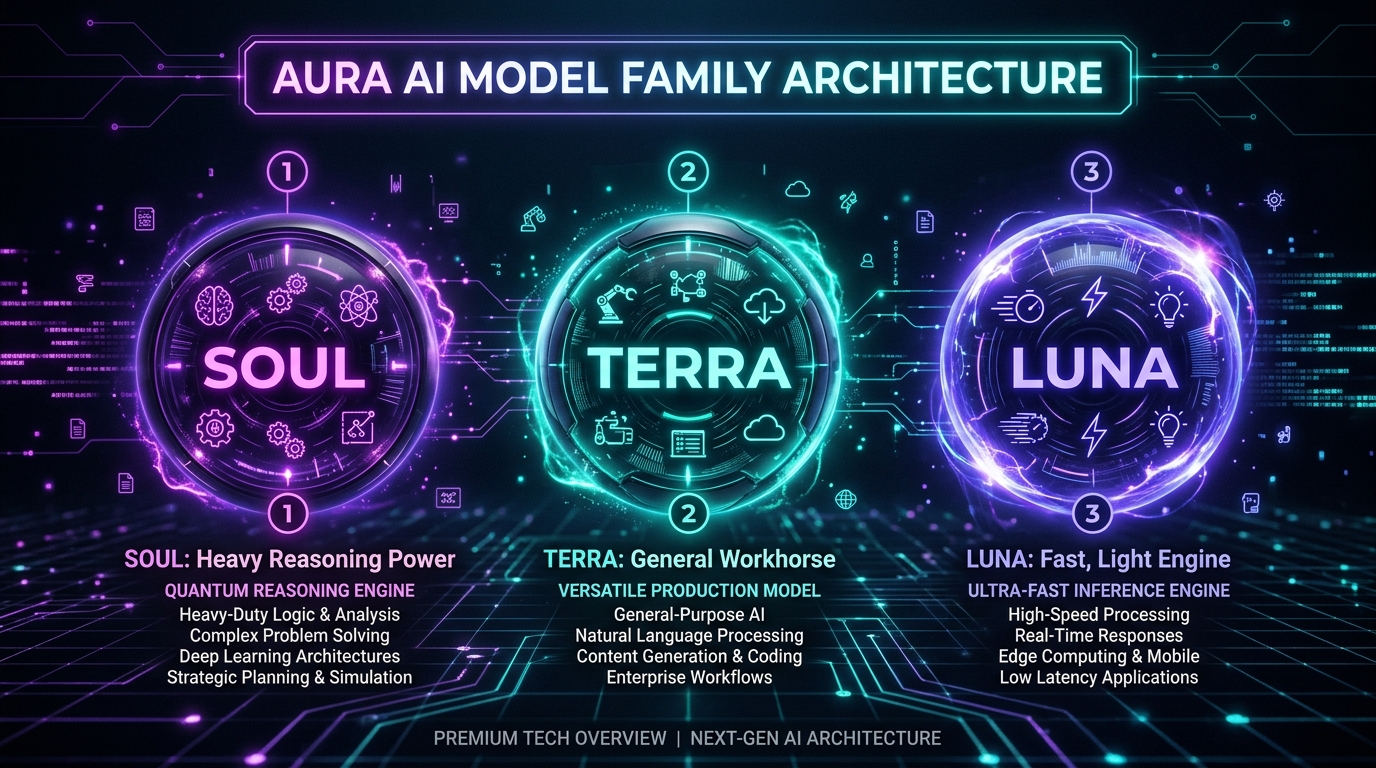
The tier confusion is one of the most common questions beginners have, so here's the plain version: Luna is what free-tier users get by default, Terra is the best balance of cost and capability for daily use, and Soul is the expensive option you reach for only when a task genuinely needs deep, sustained reasoning — like an hours-long coding agent run.
Is GPT 5.6 Worth Paying For?
For most people, GPT 5.6 Terra is worth the upgrade over a free tier, since it performs close to the flagship Soul model on many everyday tasks at roughly half the cost. Soul is only worth its premium price if you're running long, complex agentic workflows — for quick questions or routine writing, Terra (or even Luna) handles the job without the extra spend.
Claude Opus 4.8 vs. Claude Fable 5: What's the Real Difference?
Claude Opus 4.8 is Anthropic's generally available, production-ready model, offering strong coding and reasoning at a moderate price, plus a built-in "Effort Control" slider that lets you manually dial how deeply the model thinks through a prompt — useful for beginners who want to save on usage limits during simple tasks. Claude Fable 5 is Anthropic's most powerful and most expensive model, designed for the hardest, longest-horizon reasoning and coding work, though it comes with additional safety routing that can occasionally redirect routine requests to a different model.
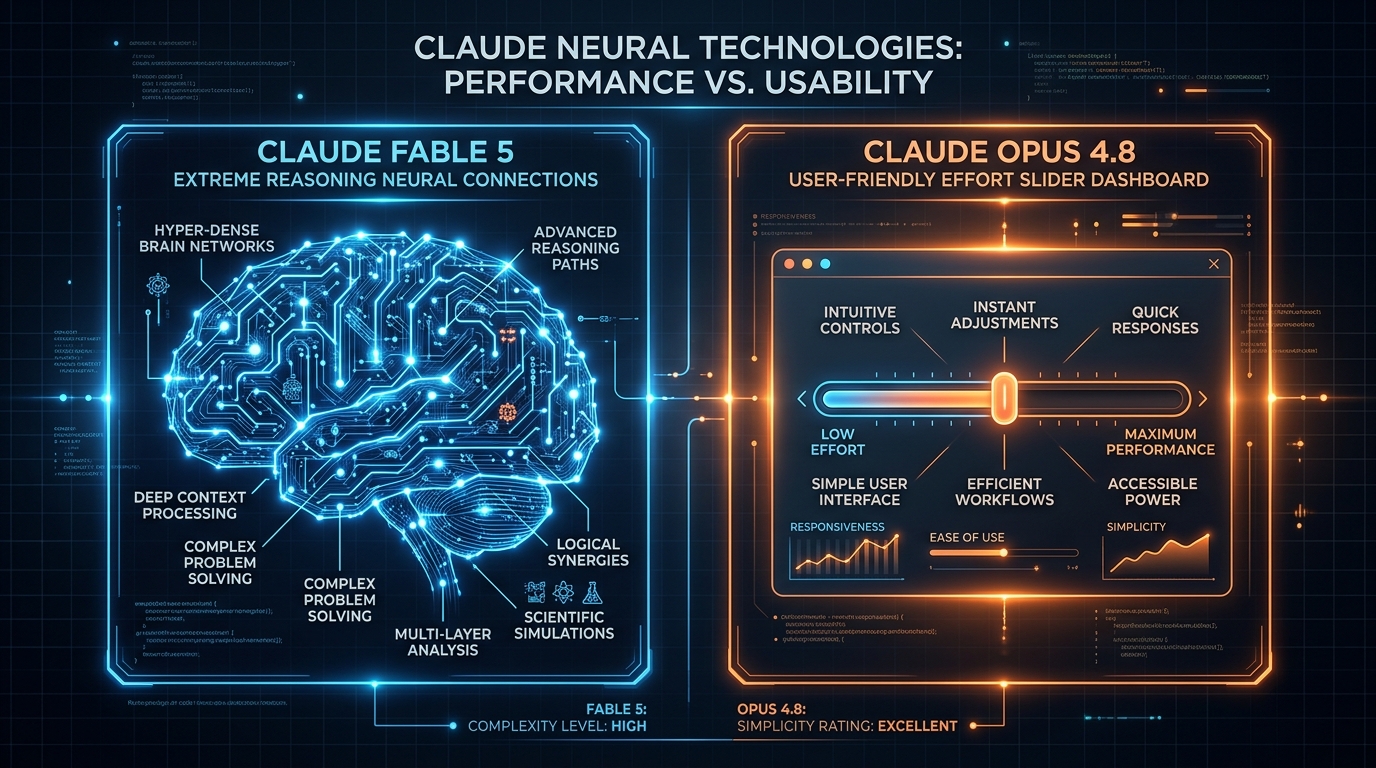
For daily use, Opus 4.8 is the more practical choice: it's roughly half the price of Fable 5 and includes the effort slider that makes it easier to control costs as a beginner. Fable 5 earns its place only on the small number of tasks that are genuinely difficult enough to need its extra depth.
Is Claude Fable 5 Too Expensive for Daily Use?
Yes, for most everyday tasks Claude Fable 5 is more expensive than necessary — at $10 input / $50 output per million tokens, it costs double Opus 4.8's rate, so it makes the most financial sense reserved for your hardest, least frequent tasks rather than routine use.
Which AI Model Is Best for Coding?
On agentic coding benchmarks like Terminal-Bench, GPT 5.6 Soul currently leads, with GPT 5.6 Terra close behind at a fraction of the cost — making Terra the strongest cost-to-performance pick for coding among these five options. Claude Opus 4.8 and Fable 5 remain strong, particularly for long-horizon, repository-scale work, but tend to cost more for comparable results.
Which AI Model Is Best for Coding Beginners Who Don't Know How to Code?
If you're new to coding and just want help understanding errors or fixing small issues, Claude Opus 4.8's web chat interface with its effort control slider is the more approachable starting point compared to running an agentic coding tool like Codex, which assumes more technical comfort.
Which AI Model Is Best for Writing and Research?
For creative writing and long-form content, the differences between these models come down to "voice" more than raw benchmarks — some writers prefer Claude's tendency toward consistent tone across long pieces, while GPT 5.6 tends to produce more concise, direct research summaries rather than padding out responses. If you're doing deep technical or medical research with tables and citations, GPT 5.6 Soul has shown strong results in comprehensive, well-organized report generation.
Which Model Hallucinates Less?
Reported hallucination rates vary by benchmark and change frequently as these models are updated, so rather than treating any single number as final, it's worth spot-checking factual claims from any of these models on tasks where accuracy really matters — none of them are hallucination-free.
Pricing and Access Comparison
| Model | Input Price (per 1M tokens) | Output Price (per 1M tokens) | How to Access |
|---|---|---|---|
| GPT 5.6 Luna | $1.00 | $6.00 | ChatGPT free tier (default) |
| GPT 5.6 Terra | $2.50 | $15.00 | ChatGPT Plus and free tier (capped) |
| GPT 5.6 Soul | $5.00 | $30.00 | ChatGPT Plus/Team/Enterprise, limited preview access |
| Claude Opus 4.8 | $5.00 | $25.00 | Claude Pro ($20/mo) and Claude Code |
| Claude Fable 5 | $10.00 | $50.00 | Claude API, Enterprise plans; metered on subscriptions |
Pricing, tier names, and access rules change frequently on all three platforms — verify current details on OpenAI's and Anthropic's official pricing pages before making a purchasing decision.
Frequently Asked Questions
What's the difference between GPT 5.6 Soul, Terra, and Luna?
Soul is the largest and most capable variant for complex agentic work, Terra is the balanced everyday option, and Luna is the fastest and cheapest, best suited to simple, quick tasks.
Is GPT 5.6 better than Claude Fable 5?
GPT 5.6 Soul leads on several coding benchmarks while costing less than Claude Fable 5, but Fable 5 remains competitive on long-horizon, repository-scale reasoning tasks — the better choice depends on your specific task rather than either model being universally superior.
Is Claude Opus 4.8 good for beginners?
Yes — Opus 4.8's web interface includes an effort control slider that lets beginners manage how deeply the model reasons through a prompt, making it easier to control both response quality and usage limits without technical setup.
Which is the cheapest AI model in this comparison?
GPT 5.6 Luna is the cheapest at $1 input / $6 output per million tokens, making it the best option for high-volume, simple tasks where deep reasoning isn't necessary.
Do I need a coding background to use any of these models?
No — all three can be used through simple web chat interfaces without any coding knowledge; coding backgrounds only become useful if you want to run agentic tools like Codex for autonomous, multi-step development work.
This article reflects pricing, access, and benchmark data as of July 2026. AI model pricing and availability change frequently — check each provider's official page for current details before making a decision.